Boiler Breakdown Checklist: 7 Common Causes and How to Fix Them
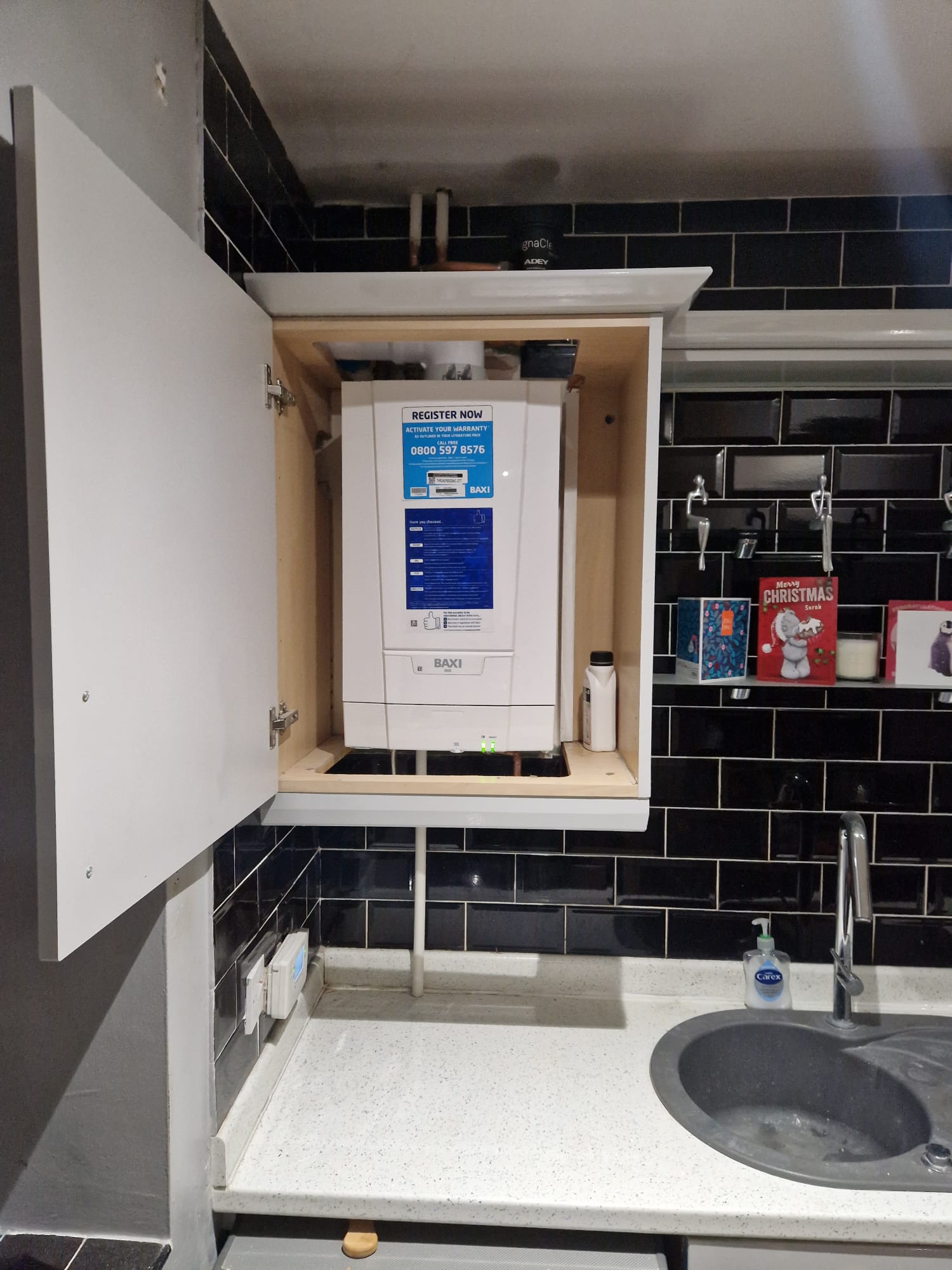
There’s nothing quite like waking up on a freezing morning only to find your boiler isn’t working. No hot water. No heating. Just panic.
Before you call in a professional, take a deep breath — not every boiler breakdown means you need a replacement. In many cases, the issue is something simple you can safely identify or fix yourself.
In this guide, we’ll walk you through the 7 most common causes of boiler breakdowns, step-by-step troubleshooting tips, and when to call a Gas Safe engineer for professional help.
1. Low Boiler Pressure
Low pressure is one of the most common causes of a boiler not working properly. If your radiators are cold or your hot water runs lukewarm, this might be the culprit.
How to Check:
Look at the pressure gauge on your boiler. It should read between 1–2 bars when the system is cold. If it’s below 1, you’ll need to repressurise it.
Step-by-Step Fix:
- Turn off the boiler and let it cool.
- Find the filling loop — a silver braided hose beneath the boiler.
- Slowly open both valves until you hear water flowing.
- Watch the pressure gauge rise to around 1.5 bar.
- Close both valves tightly and turn the boiler back on.
⚠️ Warning: Don’t over-pressurise. Anything over 2 bars could cause damage.
If your system keeps losing pressure, it could indicate a leak or faulty expansion vessel. In that case, you may need professional help.
2. Pilot Light Has Gone Out
If you have an older boiler, a small pilot light stays lit to ignite the main burner. When it goes out, your boiler won’t fire up.
Common Causes:
- A strong draught or gust of wind
- A faulty thermocouple (the safety sensor that cuts gas when the flame goes out)
- Gas supply interruptions
Steps to Relight Safely:
- Refer to your boiler’s manual for specific instructions.
- Turn the gas control knob to the pilot setting.
- Hold it down and press the ignition button.
- Once the flame ignites, keep holding for 10 seconds before releasing.
⚠️ If you smell gas or the pilot won’t stay lit, turn off the boiler immediately and call a Gas Safe engineer. Only registered professionals can safely inspect gas appliances.
3. Thermostat or Timer Issues
Sometimes your boiler is fine — it’s the controls causing trouble.
Signs:
- Heating not turning on or off at the right times
- Temperature settings not registering
- The display screen is blank
Quick Fixes:
- Check that the thermostat is set correctly (not too low).
- If it’s battery-powered, replace the batteries.
- Try a quick reset of the thermostat or timer by turning it off and back on.
If your thermostat is outdated or inaccurate, consider replacing it with a modern programmable or smart version.
4. Air in the System
If your radiators have cold spots or you hear gurgling sounds, there’s likely air trapped in the heating system.
Fix: Bleed your radiators.
How to Bleed a Radiator:
- Turn off the heating and let it cool.
- Insert a radiator key into the bleed valve (top corner).
- Slowly turn anti-clockwise until you hear hissing.
- When water starts to drip steadily, close the valve.
- Re-check boiler pressure — you may need to top it up again.
Regularly bleeding your radiators helps prevent uneven heating and improves system efficiency.
5. Leaks or Drips
Even a small leak can cause a boiler breakdown by lowering pressure and damaging internal components.
What to Look For:
- Damp patches under the boiler
- Corrosion on pipes or joints
- A constant need to repressurise
You can tighten visible fittings gently, but avoid removing panels or touching internal components.
If water appears to be leaking from inside the unit, it’s time to call in a professional.
If your boiler has completely shut down, you may need emergency plumbing support.
6. Frozen Condensate Pipe
During cold weather, the condensate pipe (which removes waste water from your boiler) can freeze, causing the boiler to shut down for safety reasons.
How to Identify a Frozen Pipe:
- Boiler showing an error code
- Gurgling noises when the boiler tries to start
- The external pipe feels icy cold
Step-by-Step Thawing:
- Locate the white or grey pipe that runs outside from the boiler.
- Pour warm (not boiling) water over the frozen section.
- Gently massage or wrap the pipe with a warm towel.
- Once thawed, reset the boiler.
To prevent it happening again, insulate the pipe with foam tubing.
7. Electrical Problems or Fault Codes
Modern boilers often display a fault code when something goes wrong.
Troubleshooting Steps:
- Check the code and refer to your boiler’s manual or manufacturer’s website.
- Ensure the fuse and power supply are working.
- Reset the boiler if instructed by the manual.
⚠️ If the issue persists, do not remove the boiler’s casing. Electrical components inside can be dangerous. Always call a Gas Safe engineer to inspect and repair safely.
When to Call a Gas Safe Engineer
You should contact a qualified professional if you experience:
- Recurring faults or no improvement after troubleshooting
- Leaks from inside the boiler
- A smell of gas
- Yellow or flickering flames
- Any error codes you can’t resolve
In the UK, only Gas Safe engineers are legally allowed to work on gas appliances.
You can verify an engineer’s registration at GasSafeRegister.co.uk.
Preventative Maintenance Tips
Avoiding future breakdowns starts with regular maintenance.
Here’s what you can do:
- Service your boiler annually with a Gas Safe registered engineer.
- Bleed your radiators before winter to keep circulation efficient.
- Install a magnetic filter to capture sludge and debris.
- Use inhibitor fluid in the system to prevent corrosion.
Annual servicing ensures your boiler runs efficiently, safely, and maintains its warranty. For more details, see our Boiler Repair & Servicing page.
And remember — leaks and bursts can happen unexpectedly, so it’s worth knowing what to do in an emergency.
Conclusion
A boiler breakdown doesn’t always mean disaster. With a calm approach and some simple checks, many issues can be identified — and sometimes fixed — without needing a full repair.
But when in doubt, never take risks. Always contact a Gas Safe engineer for anything involving gas, electrical parts, or internal components.
By following these steps and booking regular servicing, you’ll keep your home warm, safe, and energy efficient all year round.